How to Watch Sports Online Legally: Rights, Options and Warning Signs
Why the same match is on different services in different countries, where legitimate streams come from, and the warning signs of unlicensed ones.
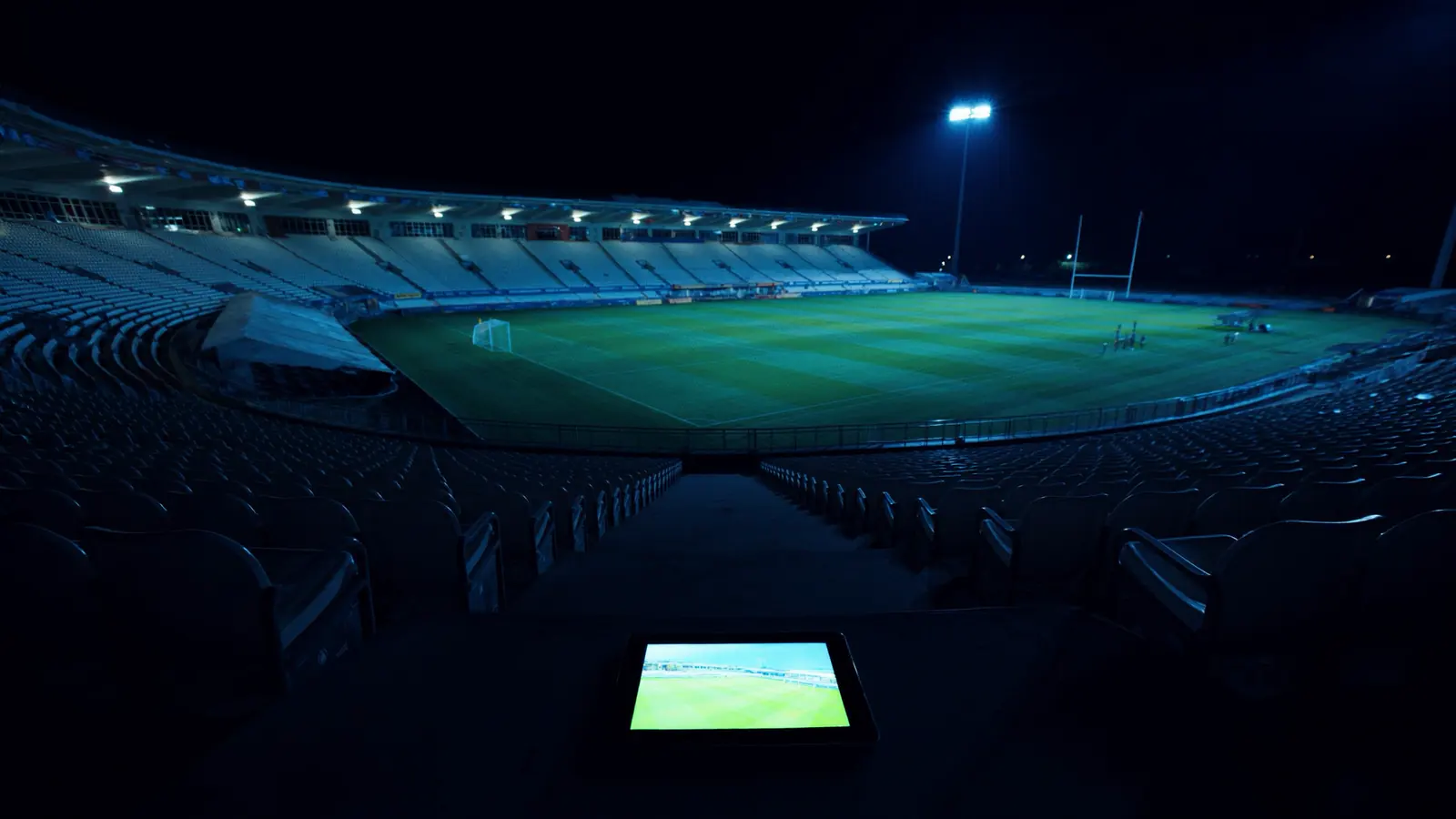
Watching sport legally means using a service that holds the rights to show that event in your country — a free-to-air broadcaster, a pay-TV or streaming platform, an official league service or a licensed IPTV/telecom provider. Understanding how rights work explains why coverage differs between services and countries.
How sports rights work
Leagues and event organisers sell broadcast rights by:
- Territory — usually country or region,
- Platform — TV, streaming, highlights, radio,
- Period — often several seasons at a time.
So a competition can be on one service in Spain, another in France and a third in the UK — and change hands between seasons. It's also why "all sports, everywhere" promises are unrealistic for a legitimate service.
Where legitimate streams come from
- Free-to-air broadcasters — many countries show some major events free on public or commercial channels, often streamed in their own apps.
- Pay-TV and streaming platforms that hold rights in your country.
- Official league or competition services — offered in some markets.
- Licensed IPTV and telecom TV services carrying channels under agreement with rights holders.
Travelling within the EU
The EU Portability Regulation lets residents of an EU country who are temporarily in another EU country access online content subscriptions they pay for at home. It's aimed at holidays and short stays, applies to the provider's service as offered at home, and doesn't extend to permanent moves or non-EU countries.
Warning signs of unlicensed streams
- Implausibly cheap access to "every league worldwide"
- Websites full of pop-ups, fake play buttons and download prompts
- No company details, terms or support
- Apps that must be sideloaded rather than installed from official stores
Beyond the legal issue, these streams are a common route for malware and payment fraud — see IPTV safety and privacy.
Unlicensed streams are unreliable too
Even setting legality aside, unofficial streams tend to fail exactly when it matters:
- Takedowns mid-event — rights holders actively report unlicensed streams during live matches, so they often disappear at kick-off or half-time.
- Overloaded servers — big events draw huge audiences to a small number of unofficial sources.
- No recourse — when something goes wrong there's nobody accountable to contact, and no refund.
A licensed source is not just the legal option; it's usually the one that's still working in the 89th minute.
A 30-second legitimacy check
Before paying for any sports streaming service, confirm:
- A named company with terms of service and a privacy policy
- Clear statements about which competitions are included, and where
- Apps available in official app stores
- Payment methods that provide a receipt
- A way to contact support before you buy
Questions to ask any provider
- Which competitions or channels are included, and in which countries?
- What happens if rights change mid-subscription?
- Is there a company, terms and support behind the service?
- Can I test it before paying?
Making legal sport look great
A legitimate stream is only enjoyable if your setup keeps up — frame-rate settings, a wired connection and a match-day routine all help. See live sports on IPTV.
Our approach
IPTVBESTLIFE provides sports entertainment subject to licensing and availability in your region, and we don't claim coverage we can't provide. To check coverage for a specific sport before subscribing, ask us or test it with a free trial.
About this guide. Written and maintained by the IPTVBESTLIFE team. Device menus and apps change over time — if a step no longer matches your screen, let us know and we'll update it.
Frequently asked questions
Why is a match on different services in different countries?
Broadcast rights are sold by territory and platform, so different services hold them in different countries — and they can change between seasons.
Are free sports streams always illegal?
No. Many free-to-air broadcasters legally stream events for free in their own country. Check official broadcaster apps first.
Related articles

Live Sports on IPTV: Setup Tips for Smooth, Spoiler-Free Matches
Live sport is the hardest test for any stream. Frame-rate and motion settings, match-day prep, and how to live with (and hide) stream delay.

Is IPTV Safe? How to Protect Your Devices, Data and Payments
The technology is safe — the risks come from who you buy from and what you install. Spotting risky services, safe app habits and protecting your home network.

What to Look For in an IPTV Service: A 9-Point Checklist
Every provider claims to be the best. Nine things to check — from trials and device support to renewal terms and licensing — that reveal what a service is really like.